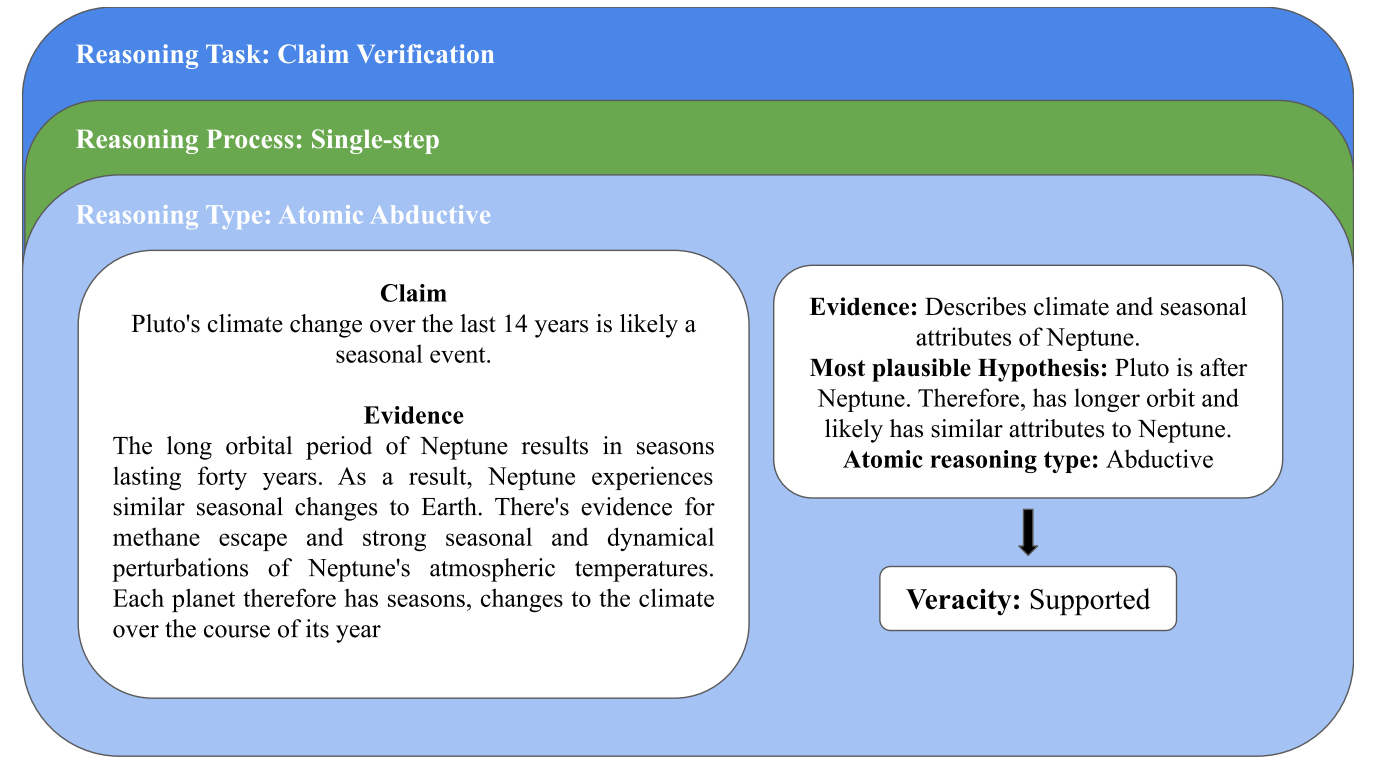
Assessing the Reasoning Capabilities of LLMs in the context of Evidence-based Claim Verification

Assessing the Reasoning Capabilities of LLMs in the context of Evidence-based Claim Verification

Evaluation of LLMs in context of Evidence-based Claim verification to show that LLMs fail at abductive reasoning and CoT methods performance are task complexity and data domain dependant.
August 2025 · John Dougrez-Lewis, Mahmud Elahi Akhter, Federico Ruggeri, Sebastian Löbbers, Yulan He, Maria Liakata
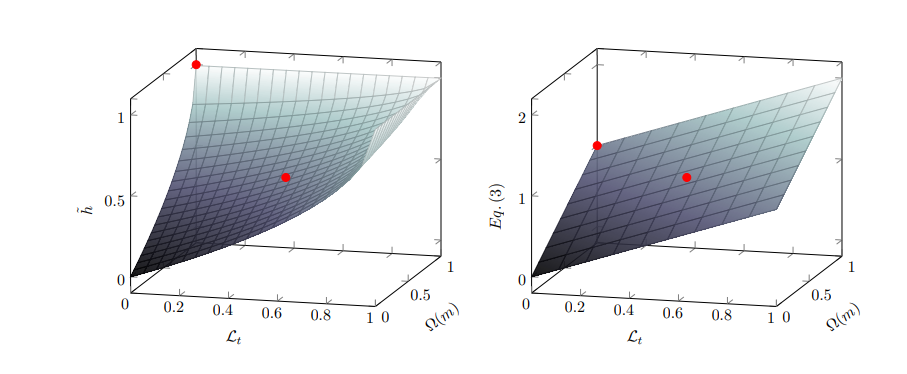
Interlocking-free Selective Rationalization Through Genetic-based Learning

Interlocking-free Selective Rationalization Through Genetic-based Learning

We present GenSPP, a selective rationalization framework that eliminates interlocking via genetic-based search

August 2025 · Federico Ruggeri, Gaetano Signorelli
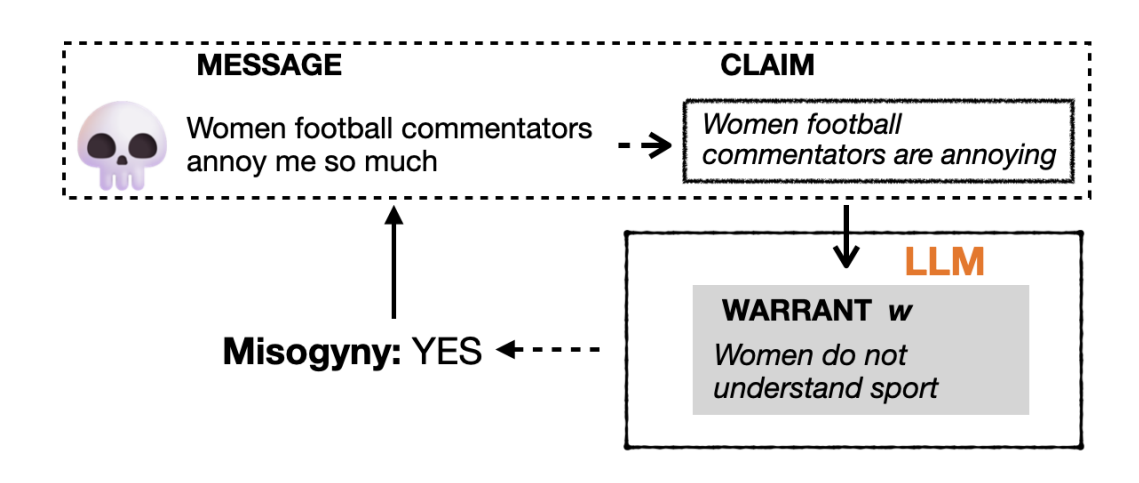
Language is Scary when Over-Analyzed: Unpacking Implied Misogynistic Reasoning with Argumentation Theory-Driven Prompt

Language is Scary when Over-Analyzed: Unpacking Implied Misogynistic Reasoning with Argumentation Theory-Driven Prompts

We propose the task of implicit misogyny detection as an Argumentative Reasoning task, by assessing the quality of LLMs in generating the warrants which require reasoning skills in order to be extracted.

August 2025 · Arianna Muti, Federico Ruggeri, Khalid Al Khatib, Alberto Barrón-Cedeño, Tommaso Caselli
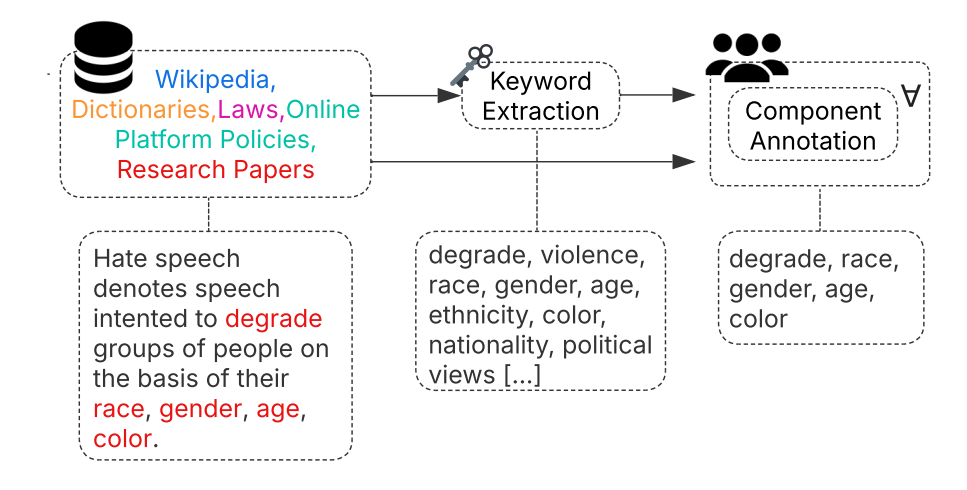
Untangling Hate Speech Definitions: A Semantic Componential Analysis Across Cultures and Domains

Untangling Hate Speech Definitions: A Semantic Componential Analysis Across Cultures and Domains

We propose a Semantic Componential Analysis (SCA) framework for a cross-cultural and cross-domain analysis of hate speech definitions.

April 2025 · Katerina Korre, Arianna Muti, Federico Ruggeri, Alberto Barrón-Cedeño
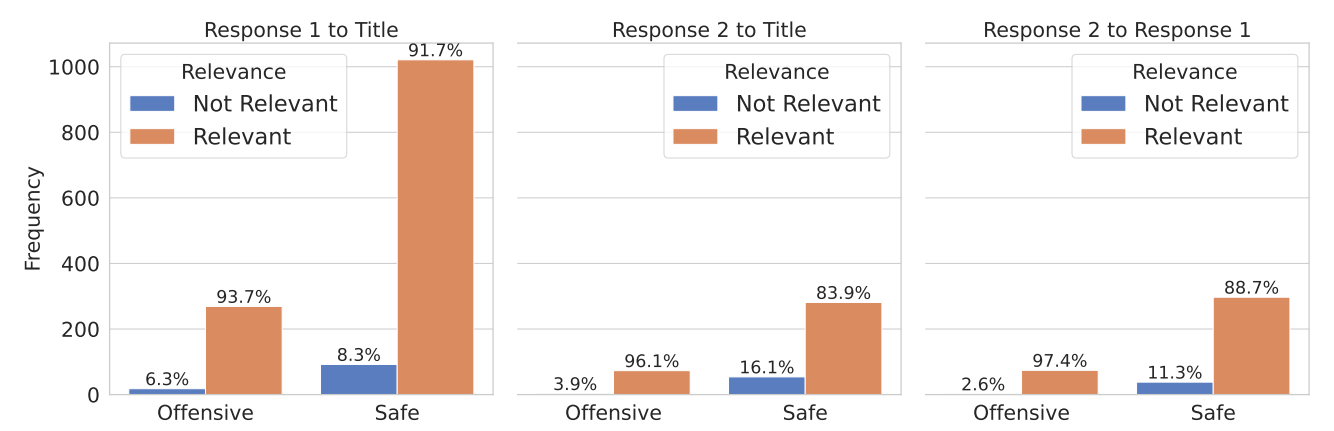
A Grice-ful Examination of Offensive Language: Using NLP Methods to Assess the Co-operative Principle

A Grice-ful Examination of Offensive Language: Using NLP Methods to Assess the Co-operative Principle

We present a comparative analysis between offensive and non-offensive instances with regard to the degree to which the 4 Gricean Maxims (Quality, Quantity, Manner, and Relevance) are flouted or violated.

October 2024 · Katerina Korre, Federico Ruggeri, Alberto Barrón-Cedeño
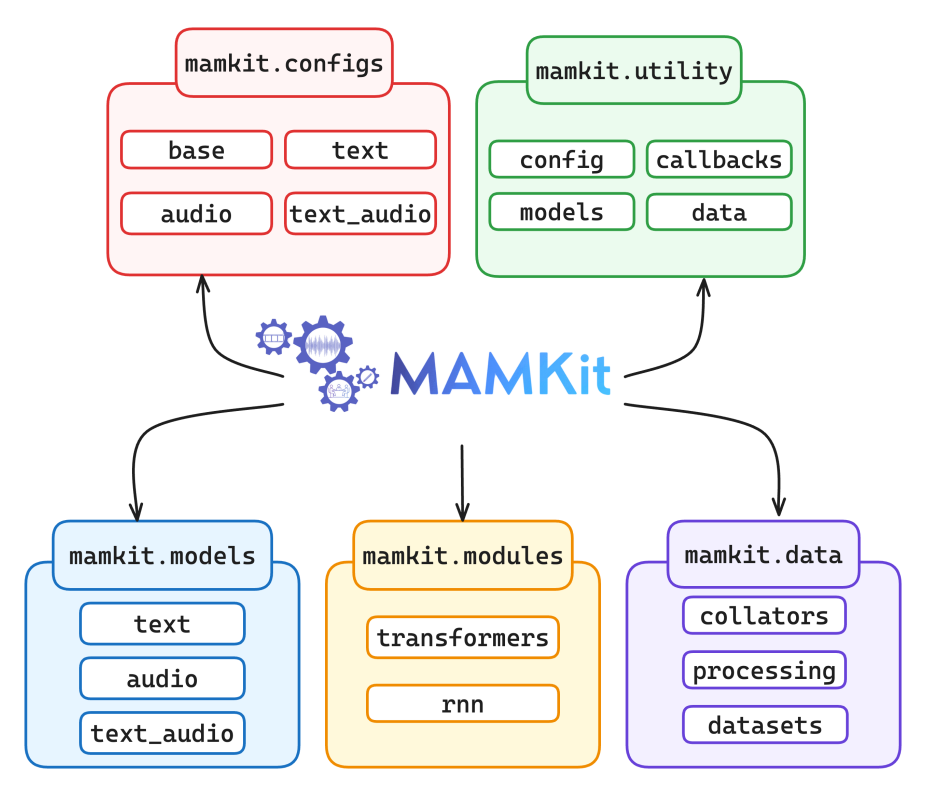
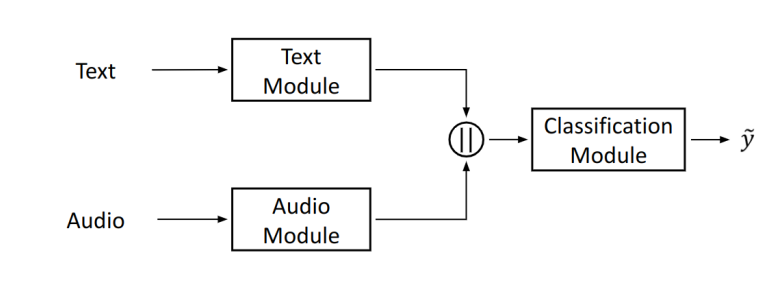
MAMKit: A Comprehensive Multimodal Argument Mining Toolkit

MAMKit: A Comprehensive Multimodal Argument Mining Toolkit

We propose MAMKit, an open, publicly available, PyTorch toolkit that consolidates datasets and models, providing a standardized platform for experimentation.

August 2024 · Eleonora Mancini, Federico Ruggeri, Stefano Colamonaco, Andrea Zecca, Samuele Marro, Paolo Torroni
Promoting the Responsible Development of Speech Datasets for Mental Health and Neurological Disorders Research

Promoting the Responsible Development of Speech Datasets for Mental Health and Neurological Disorders Research

We chart the landscape of available speech datasets for this domain, to highlight possible pitfalls and opportunities for improvement and promote fairness and diversity.

August 2024 · Eleonora Mancini, Ana Tanevska, Andrea Galassi, Alessio Galatolo, Federico Ruggeri, Paolo Torroni
A Corpus for Sentence-Level Subjectivity Detection on English News Articles

A Corpus for Sentence-Level Subjectivity Detection on English News Articles

We develop novel annotation guidelines for sentence-level subjectivity detection, which are not limited to language-specific cues.

May 2024 · Francesco Antici, Federico Ruggeri, Andrea Galassi, Katerina Korre, Arianna Muti, Alessandra Bardi, Alice Fedotova, Alberto Barrón-Cedeño
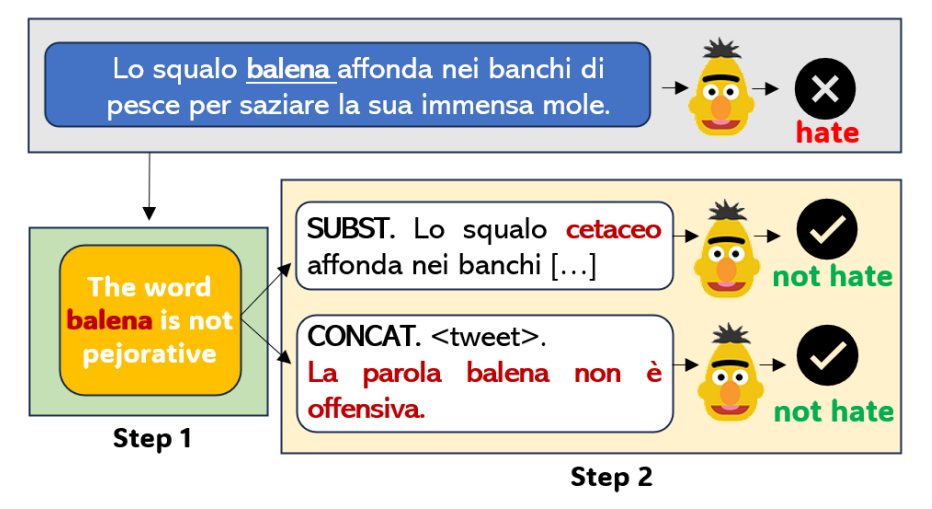
PejorativITy: Disambiguating Pejorative Epithets to Improve Misogyny Detection in Italian Tweets

PejorativITy: Disambiguating Pejorative Epithets to Improve Misogyny Detection in Italian Tweets

We present PejorativITy, a novel corpus of 1,200 manually annotated Italian tweets for pejorative language at the word level and misogyny at the sentence level.

May 2024 · Arianna Muti, Federico Ruggeri, Cagri Toraman, Alberto Barrón-Cedeño, Samuel Algherini, Lorenzo Musetti, Silvia Ronchi, Gianmarco Saretto, Caterina Zapparoli
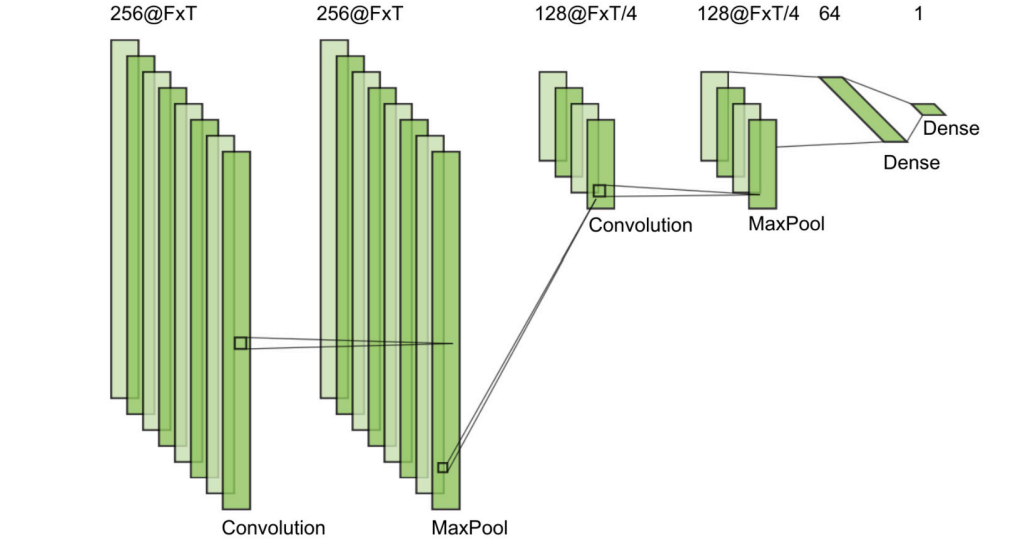
Disruptive situation detection on public transport through speech emotion recognition

Disruptive situation detection on public transport through speech emotion recognition

We propose to frame disruptive situation detection as a speech emotion recognition task. To validate our hypotheses, we carry out an extensive experimental study focusing on the development of a model characterized by speaker/gender independence, robustness to noise, and robustness against multiple voices.

March 2024 · Eleonora Mancini, Andrea Galassi, Federico Ruggeri, Paolo Torroni
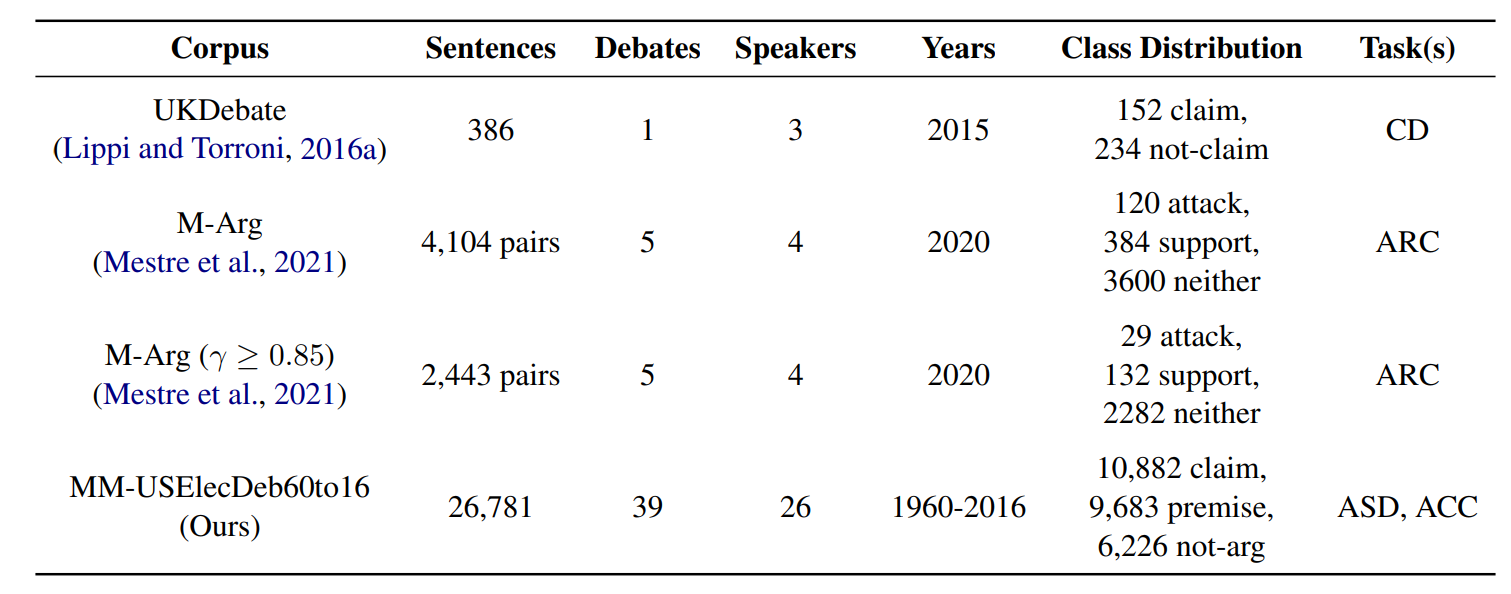
Multimodal Fallacy Classification in Political Debates

Multimodal Fallacy Classification in Political Debates

We propose multimodal argument mining for argumentative fallacy classification in political debates.

March 2024 · Eleonora Mancini, Federico Ruggeri, Paolo Torroni
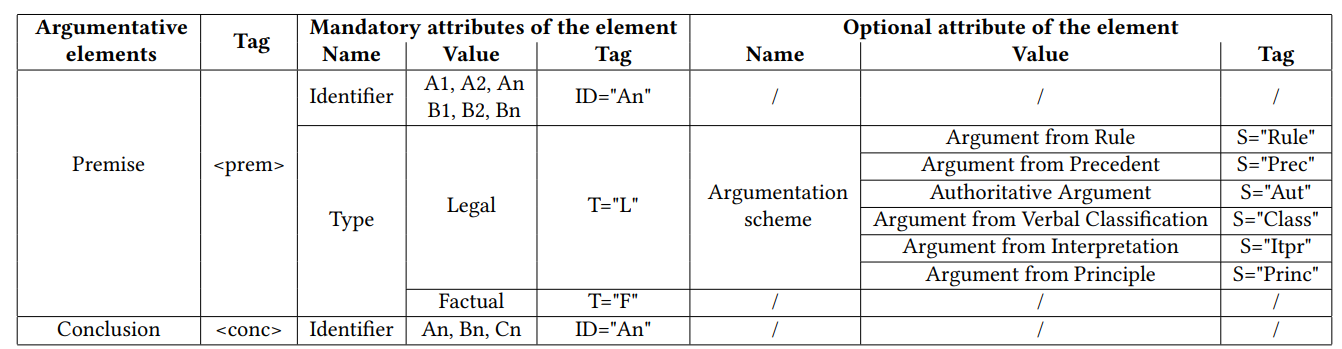
Argumentation Structure Prediction in CJEU Decisions on Fiscal State Aid

Argumentation Structure Prediction in CJEU Decisions on Fiscal State Aid

We study how propositions are combined inhigher-level structures and how the relations between propositionscan be predicted by NLP models.

September 2023 · Piera Santin, Giulia Grundler, Andrea Galassi, Federico Galli, Francesca Lagioia, Elena Palmieri, Federico Ruggeri, Giovanni Sartor, Paolo Torroni
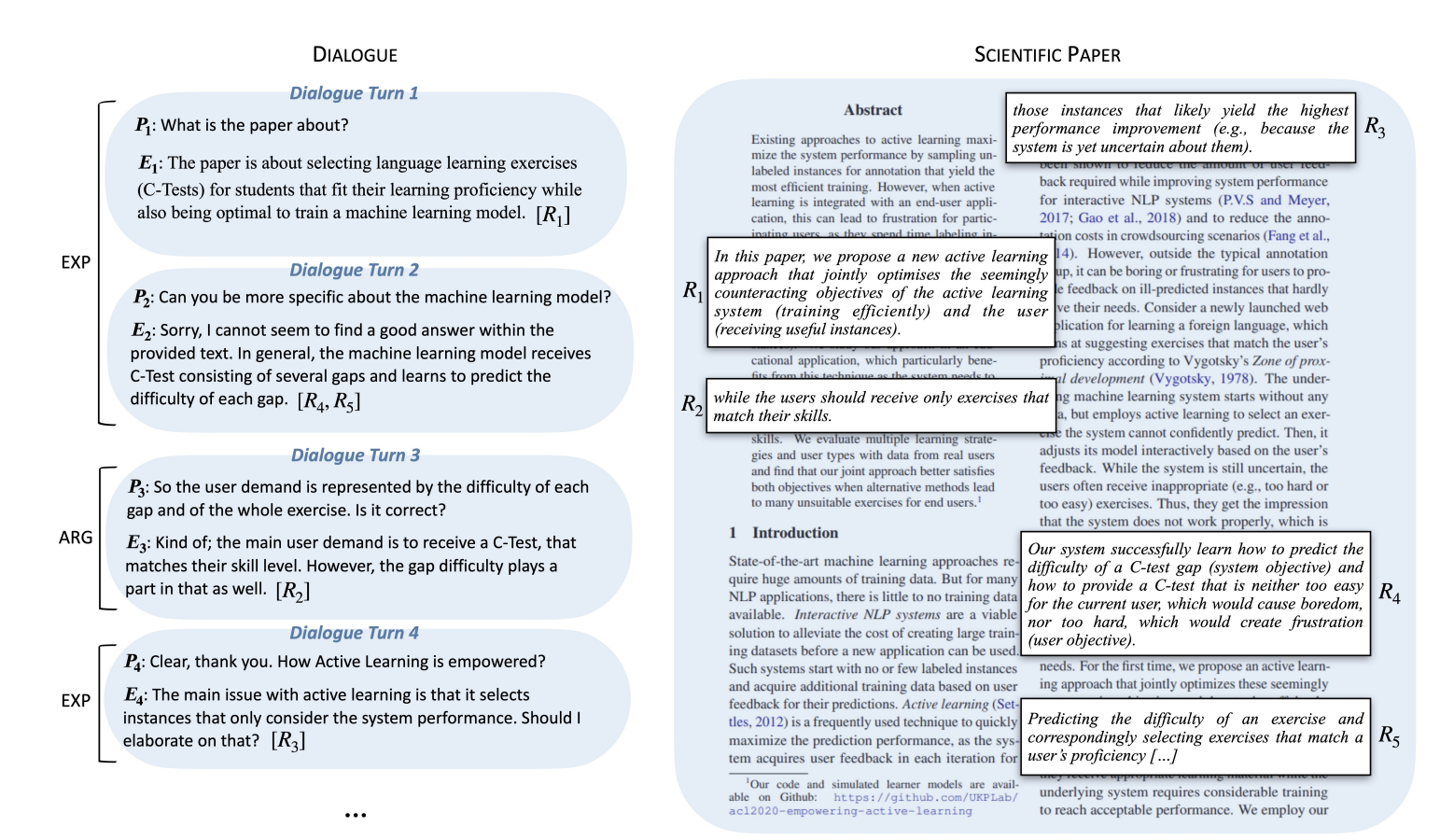
A Dataset of Argumentative Dialogues on Scientific Papers

A Dataset of Argumentative Dialogues on Scientific Papers

We introduce ArgSciChat, a dataset of 41 argumentative dialogues between scientists on 20 NLP papers.

July 2023 · Federico Ruggeri, Mohsen Mesgar, Iryna Gurevych
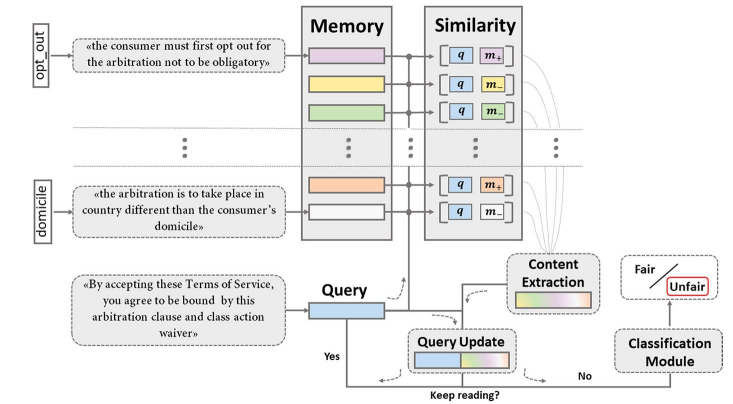
Detecting and explaining unfairness in consumer contracts through memory networks

Detecting and explaining unfairness in consumer contracts through memory networks

We posit that in this domain useful explanations of classifier outcomes can be provided by resorting to legal rationales.

October 2022 · Federico Ruggeri, Francesca Lagioia, Marco Lippi, Paolo Torroni
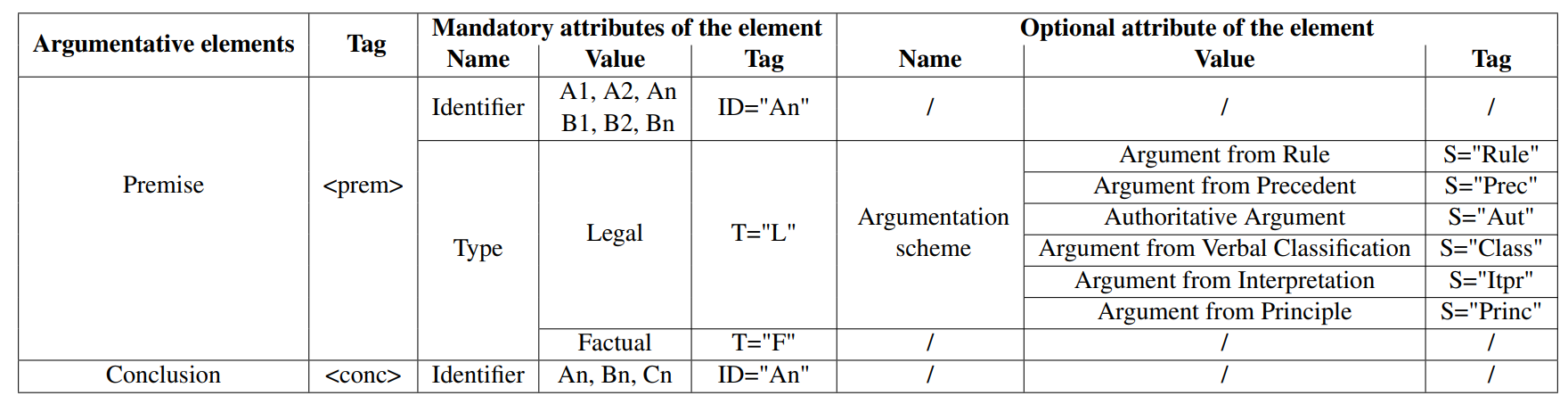
Detecting Arguments in CJEU Decisions on Fiscal State Aid

Detecting Arguments in CJEU Decisions on Fiscal State Aid

We present Demosthenes, a novel corpus for argument mining in legal documents, composed of 40 decisions of the Court of Justice of the European Union on matters of fiscal state aid.

October 2022 · Giulia Grundler, Piera Santin, Andrea Galassi, Federico Galli, Francesco Godano, Francesca Lagioia, Elena Palmieri, Federico Ruggeri, Giovanni Sartor, Paolo Torroni
Multimodal Argument Mining: A Case Study in Political Debates

Multimodal Argument Mining: A Case Study in Political Debates

We propose a study on multimodal argument mining in the domain of political debates

October 2022 · Eleonora Mancini, Federico Ruggeri, Andrea Galassi, Paolo Torroni
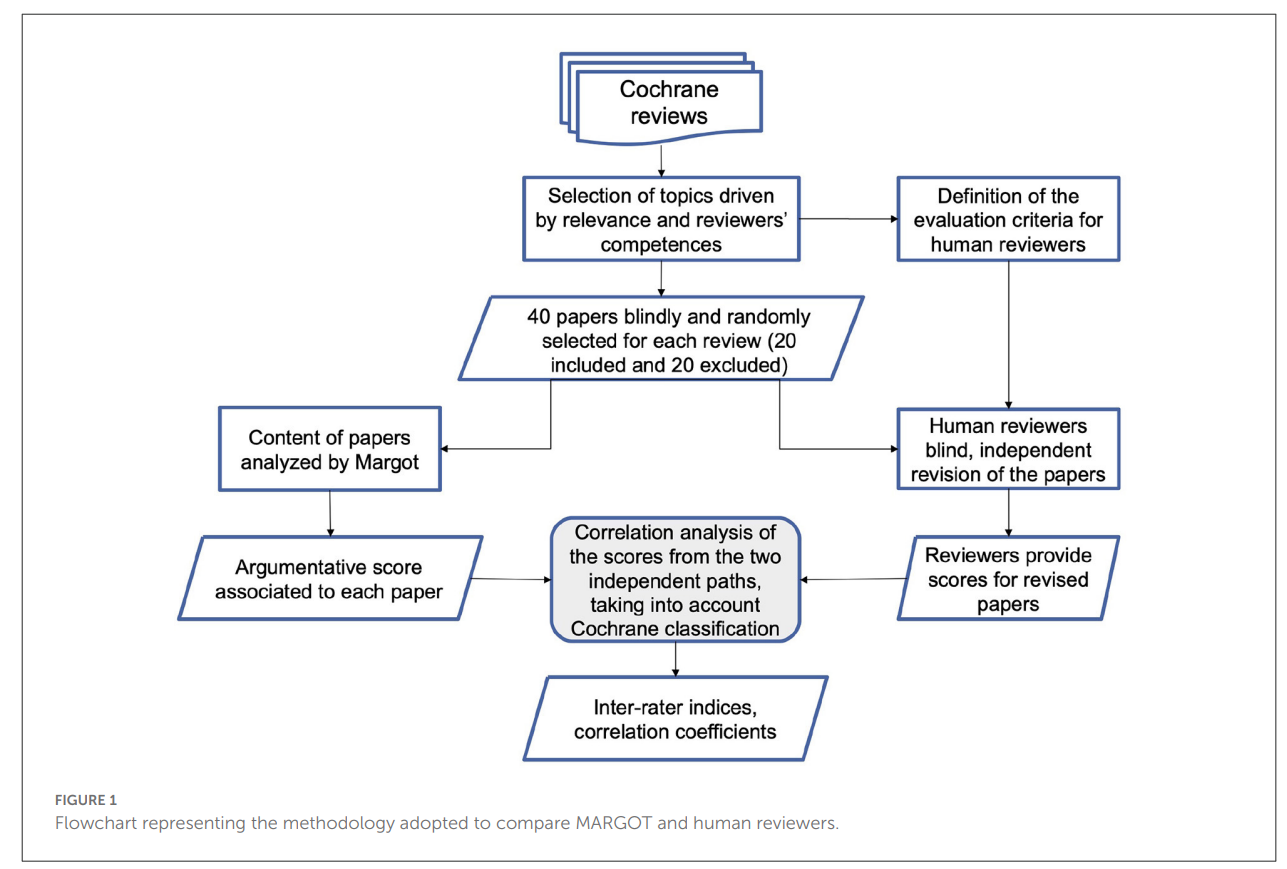
Argument mining as rapid screening tool of COVID-19 literature quality: Preliminary evidence

Argument mining as rapid screening tool of COVID-19 literature quality: Preliminary evidence

We develop an artificial intelligence system for the analysis of the scientific literature by leveraging on recent developments in the field of Argument Mining.

July 2022 · Gianfranco Brambilla, Antonella Rosi, Francesco Antici, Andrea Galassi, Daniele Giansanti, Fabio Magurano, Federico Ruggeri, Paolo Torroni, Evaristo Cisbani, Marco Lippi
AMICA: An Argumentative Search Engine for COVID-19 Literature

AMICA: An Argumentative Search Engine for COVID-19 Literature

AMICA is an argument mining-based search engine, specifically designed for the analysis of scientific literature related to Covid-19.

July 2022 · Marco Lippi, Francesco Antici, Gianfranco Brambilla, Evaristo Cisbani, Andrea Galassi, Daniele Giansanti, Fabio Magurano, Antonella Rosi, Federico Ruggeri, Paolo Torroni